Physical Address
304 North Cardinal St.
Dorchester Center, MA 02124
Physical Address
304 North Cardinal St.
Dorchester Center, MA 02124

Amplifying African Entrepreneurs voices, one story at a time
Amplifying African Entrepreneurs voices, one story at a time
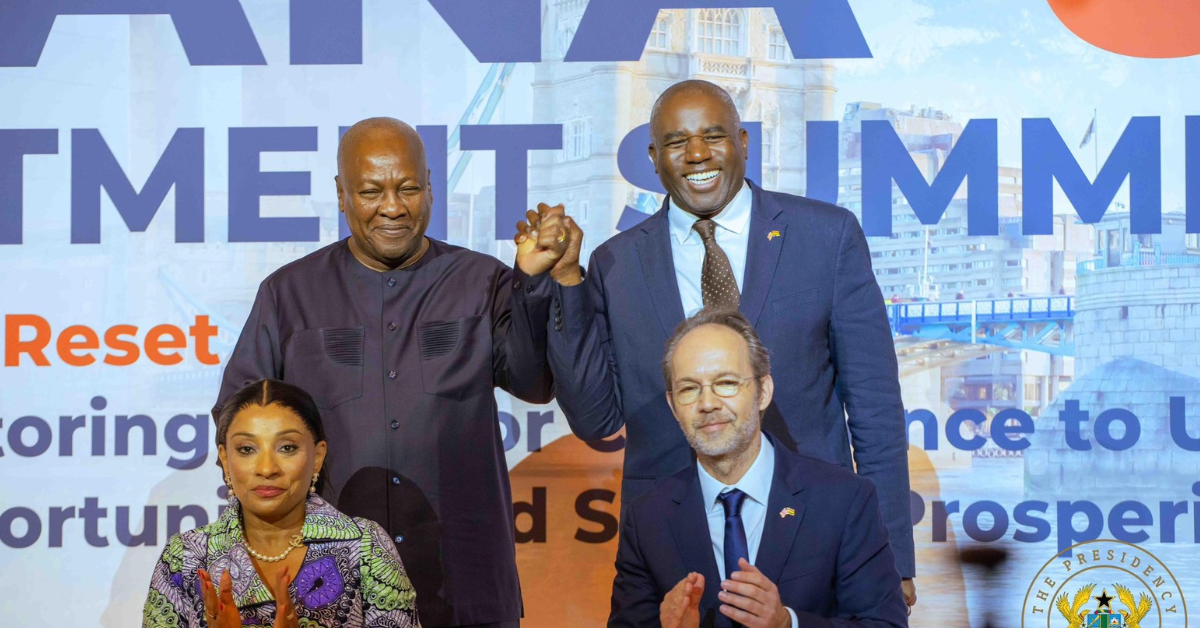
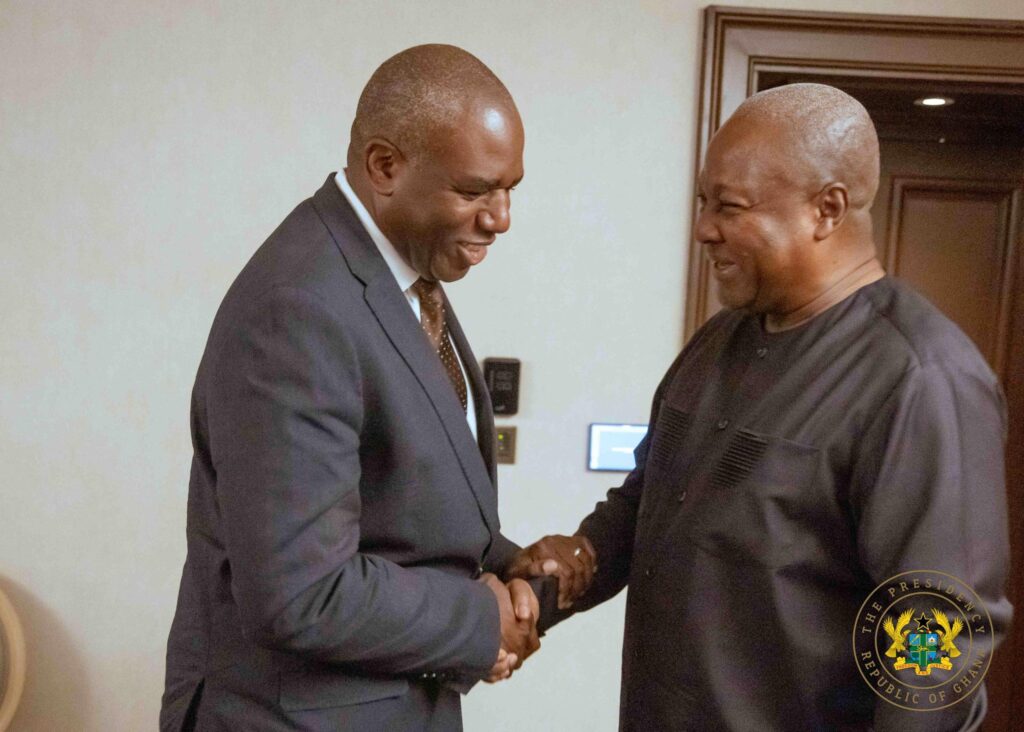
Ghana has secured one of its most significant international investment agreements in recent years after signing a landmark Growth Partnership with the United Kingdom that will unlock up to £215 million in investments across infrastructure, maritime development, artificial intelligence, education, healthcare and climate resilience.
The agreement, signed during the Ghana-UK Investment Summit in London, establishes a roadmap for economic cooperation between both countries from 2026 to 2028. The partnership aims to accelerate private-sector growth, create jobs, strengthen infrastructure and equip Ghana’s young population with globally competitive skills.
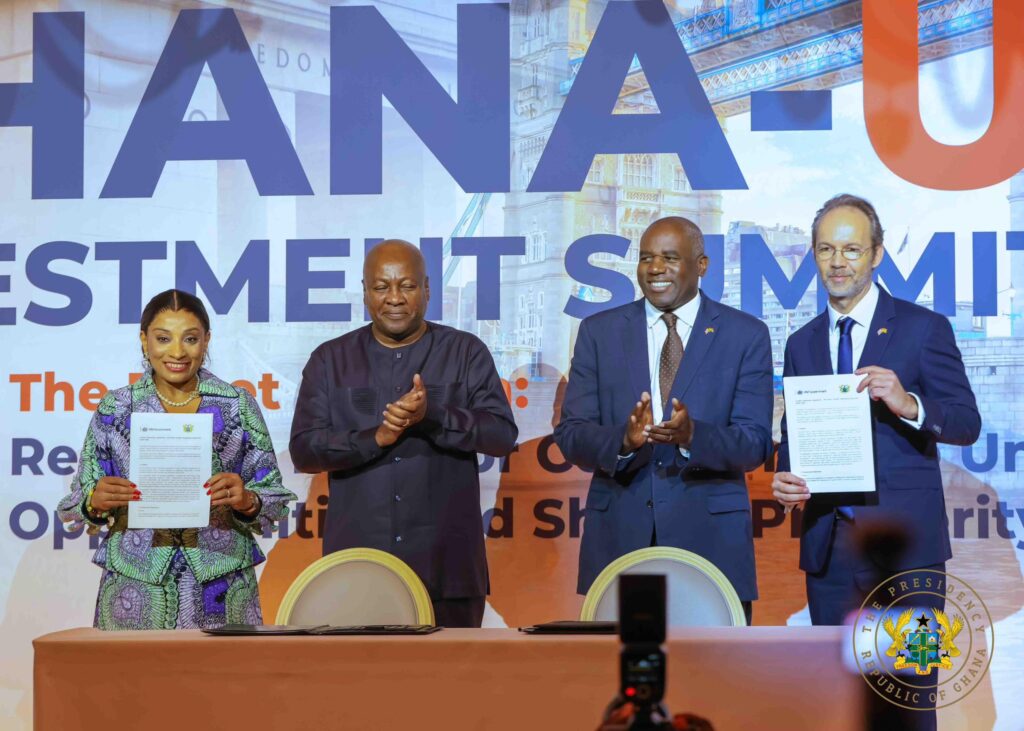
At the heart of the deal is a groundbreaking £101 million UK-backed investment that will deliver the Gulf of Guinea’s first commercial-scale ship repair and dry-docking facility. The Takoradi Floating Dock Project is expected to generate up to 430 direct jobs and reserve 30 percent of positions for women, marking a major step toward greater inclusion in Ghana’s maritime sector.
The project is set to strengthen Ghana’s position as a leading maritime hub in West Africa. As global trade routes continue to expand across the region, the new facility could attract vessels from neighboring countries seeking maintenance and repair services, creating additional economic opportunities beyond the immediate employment benefits.
The partnership also delivers a major boost to Ghana’s climate and sustainability ambitions. Through the agreement, an £85 million reforestation fund will support large-scale environmental restoration efforts, while an additional £9 million investment will focus on forest recovery projects in the Oti Region.
These initiatives are expected to generate local employment opportunities while helping protect critical ecosystems. Moreover, they align with Ghana’s long-term environmental goals and reinforce the country’s commitment to sustainable development.
Technology and innovation have also emerged as key pillars of the new partnership. A £6 million investment will support the implementation of Ghana’s Artificial Intelligence Strategy while expanding scientific and technological collaboration between Ghanaian and British universities.
The funding comes at a time when African governments are increasingly investing in digital transformation to improve competitiveness and attract foreign investment. Consequently, Ghana’s AI ambitions could position the country as one of Africa’s emerging technology leaders.
Healthcare will also receive a significant boost through a £4 million partnership focused on specialist clinical engineering training. The initiative aims to strengthen technical expertise within Ghana’s healthcare system, helping improve the maintenance and management of critical medical equipment across the country.
In addition, new Transnational Education guidelines will create pathways for Ghanaian students to access internationally recognized education and training opportunities. The move is expected to strengthen workforce development and increase access to world-class learning experiences.
The agreement reflects growing confidence in Ghana’s economic potential and highlights the country’s efforts to attract strategic international partnerships that deliver measurable outcomes for citizens and businesses alike.
As Ghana pursues its economic transformation agenda, the £215 million partnership represents more than an investment package. It signals a long-term commitment to creating jobs, fostering innovation, improving infrastructure and building a more resilient economy capable of competing on the global stage.
With investments spanning maritime development, artificial intelligence, climate action, healthcare and education, the Ghana-UK Growth Partnership could become one of the most consequential economic agreements shaping Ghana’s future over the next three years.