Physical Address
304 North Cardinal St.
Dorchester Center, MA 02124
Physical Address
304 North Cardinal St.
Dorchester Center, MA 02124

Amplifying African Entrepreneurs voices, one story at a time
Amplifying African Entrepreneurs voices, one story at a time
South Africa’s thriving music and entertainment industry is facing an unexpected challenge beyond its borders, as growing reports suggest that South African artists are losing performance opportunities across the African continent.
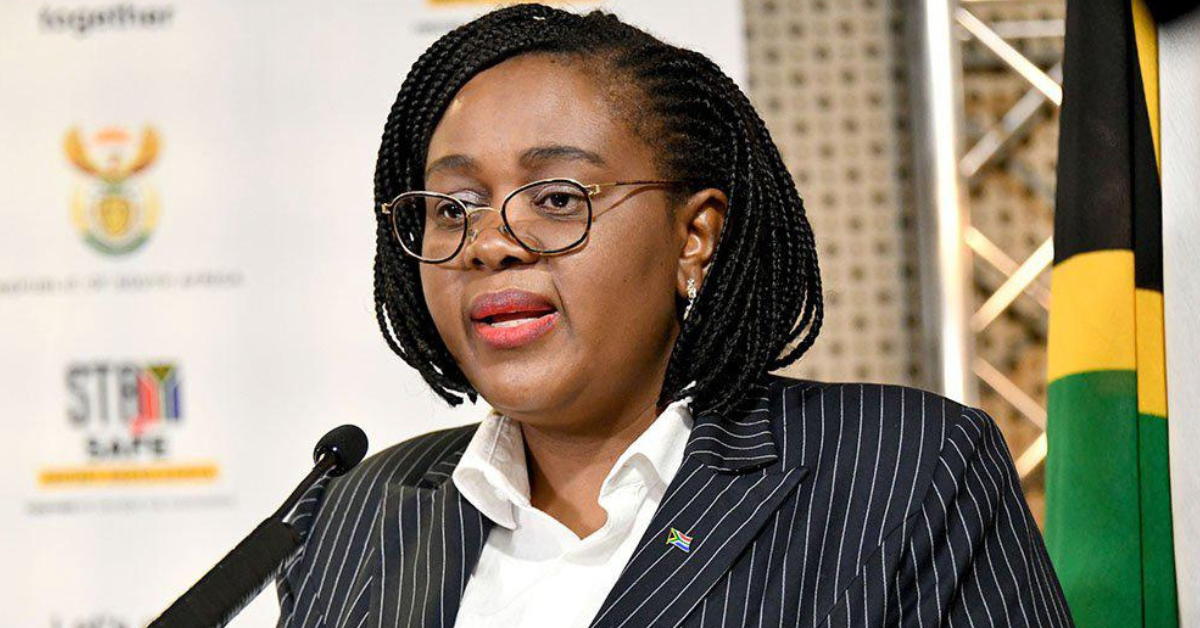
Speaking about the wider economic and reputational impact of ongoing debates surrounding immigration and xenophobia, South Africa’s Justice Minister, Mmamoloko Kubayi, revealed that several artists have already experienced cancelled bookings in other African countries.
According to Kubayi, the situation is beginning to affect a sector that has long benefited from strong cultural connections across Africa. South African musicians, performers, and entertainers have traditionally enjoyed significant demand throughout the continent, regularly headlining festivals, concerts, and major entertainment events.
However, that relationship appears to be facing strain.
“The majority of South African artists perform on the continent, and many of them are seeing their gigs being canceled,” Kubayi said while discussing the broader consequences of the country’s image abroad.
She disclosed that one artist personally contacted her after losing all scheduled performances outside South Africa.
“One artist reached out to me and said all her gigs were canceled,” Kubayi explained, highlighting the direct financial consequences for creative professionals who depend heavily on touring revenue.
The development signals a growing concern for South Africa’s entertainment industry, which generates substantial income through cross-border performances, brand partnerships, and cultural exchanges throughout Africa.
Beyond the immediate loss of earnings for artists, Kubayi acknowledged that South Africa’s international reputation is also taking a hit.
“The brand does get affected. The brand is hurting. We can’t lie about it,” she admitted.
Her remarks come as South African authorities continue efforts to reassure African partners, businesses, and investors that the country does not endorse xenophobic attitudes.
At the same time, government officials are engaging with South African companies operating abroad to address concerns and provide support where businesses encounter difficulties. Kubayi noted that government departments, alongside diplomatic missions, have increased consular and business support services to help South Africans working across the continent and internationally.
Furthermore, officials are attempting to separate the country’s immigration enforcement policies from perceptions of hostility toward foreign nationals.
Kubayi stressed that South Africans are not xenophobic and urged citizens to act responsibly while authorities address concerns related to undocumented migration through lawful processes.
She argued that many African governments understand South Africa’s position regarding illegal immigration and support the enforcement of existing laws. However, she emphasized that all individuals within the country’s borders, regardless of nationality or immigration status, deserve protection under the law.
The minister also reaffirmed the government’s commitment to rejecting violence and attacks against foreign nationals, warning that such incidents damage social cohesion, economic relations, and South Africa’s standing across Africa.
The controversy arrives at a sensitive time for Africa’s creative economy. The continent’s entertainment sector has become increasingly interconnected, with artists, promoters, and event organizers relying on regional partnerships to drive growth. Any decline in cultural cooperation could affect not only performers but also tourism, event management, hospitality businesses, and related industries.
Industry observers note that South Africa has historically served as one of Africa’s most influential entertainment hubs. Therefore, reports of cancelled bookings and strained cultural ties may have wider implications for the country’s soft power and influence across the continent.
As governments, businesses, and cultural stakeholders work to strengthen relationships, the experiences shared by affected artists highlight the real economic cost that reputation challenges can create in an increasingly connected African marketplace.
For many performers, the issue extends beyond politics. It is about livelihoods, audiences, and maintaining the cultural bridges that have helped unite African countries through music, art, and entertainment.