Physical Address
304 North Cardinal St.
Dorchester Center, MA 02124
Physical Address
304 North Cardinal St.
Dorchester Center, MA 02124

Amplifying African Entrepreneurs voices, one story at a time
Amplifying African Entrepreneurs voices, one story at a time
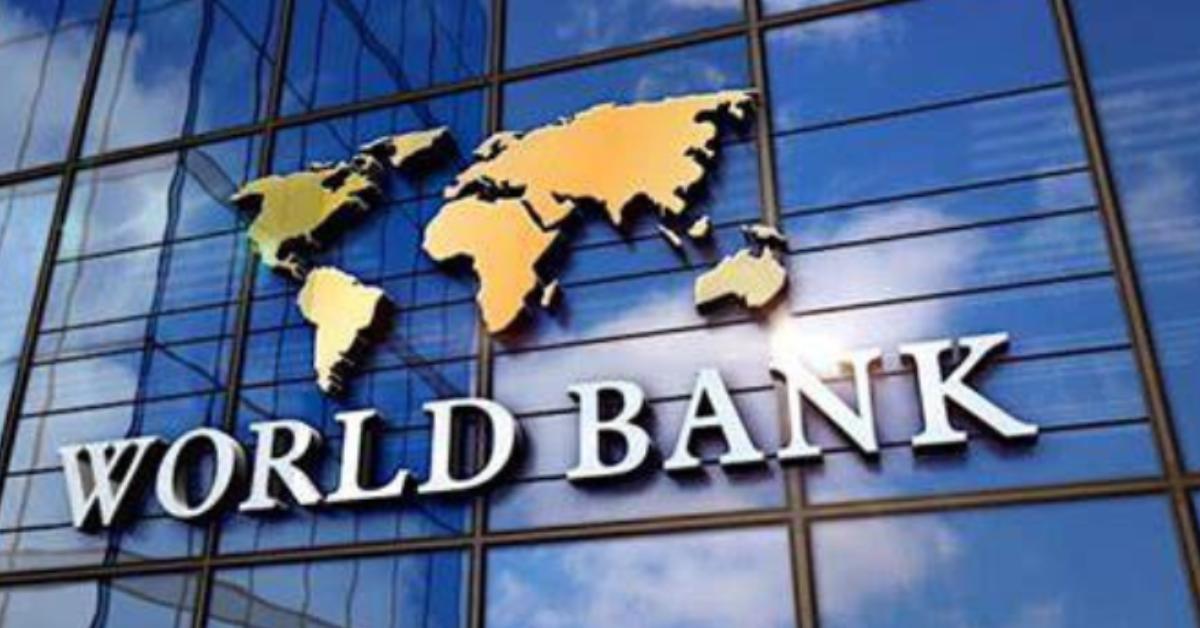
Nigeria’s electricity sector has suffered another heavy blow after the Federal Government and the World Bank jointly cancelled $717.7 million in undisbursed financing meant to support the country’s struggling power industry.
The cancelled funds formed part of the $1.52 billion Power Sector Recovery Programme designed to stabilise Nigeria’s electricity grid, improve operational efficiency, and reduce long-standing financial imbalances across the sector.
However, worsening blackouts, liquidity problems, and policy challenges forced both parties to discontinue the programme earlier than expected.
The World Bank explained in its restructuring paper for the Power Sector Recovery Performance-Based Operation that Nigeria’s economic realities have changed significantly since the programme received approval in 2023.
According to the institution, rising tariff shortfalls and growing financing gaps made the original recovery plan increasingly difficult to sustain.
The development also reflects mounting pressure on Nigeria’s electricity industry as consumers continue to battle unreliable power supply, rising energy costs, and repeated grid collapses.
The World Bank said the cancellation would allow both sides to redirect resources toward projects that can deliver measurable improvements within a shorter timeframe.
The institution added that the decision aligns with current implementation realities in Nigeria’s power sector.
“The restructuring is carried out to enable the cancellation of the remaining undisbursed balance under the operation in its entirety,” the Bank stated.
It added that the move would help redeploy resources toward projects capable of improving operational efficiency, revenue recovery, and reducing sector imbalances over time.
Originally scheduled to run until June 2027, the programme will now terminate this month.
Energy expert Yakubu Usman blamed the failure of the programme on poor policy coordination and weak implementation strategies.
According to him, Nigeria continues to design electricity reforms without fully understanding the realities of the country’s power system.
“That particular programme was not yielding the desired results,” Usman said. “The question is, what progress are we making in the power sector when there is no policy direction?”
He argued that lawmakers and policymakers often focus heavily on legal frameworks while ignoring operational and economic realities affecting electricity generation and distribution.
Usman also criticised the implementation of the Electricity Act, insisting that technical gaps continue to slow meaningful reforms across the sector.
“We are struggling because we draft laws without taking cognisance of the realities of the power system and the economic implications,” he said.
Nigeria’s electricity industry still faces major structural problems including gas supply shortages, transmission bottlenecks, poor distribution networks, metering gaps, and severe liquidity constraints.
Despite years of reform discussions, many of these challenges remain unresolved.
According to Usman, the same issues affecting the power sector five years ago continue to dominate conversations today.
Meanwhile, Vahyala Kwaga, deputy director at BudgIT, warned that the withdrawal of such a large funding package could worsen Nigeria’s energy crisis and slow investment in critical infrastructure.
Kwaga explained that reduced investment would limit electricity availability and keep energy prices high for households and businesses already struggling with inflation and economic pressure.
“The implication is that potential power will not be available,” he said. “Nigeria is already struggling to meet energy demand, and such an investment would likely have created more energy.”
He added that stronger electricity distribution companies could help lower prices through improved efficiency and economies of scale.
“The more power available, especially if there are strong Discos that utilise economies of scale, the lower the price,” Kwaga explained.
Experts believe Nigeria now faces an urgent need for long-term investment across transmission systems, distribution infrastructure, and nationwide metering projects.
Without those investments, analysts warn that electricity shortages and high operating costs could continue to slow economic growth.
The latest funding cancellation raises fresh concerns about investor confidence in Nigeria’s energy sector at a time when millions of citizens and businesses depend heavily on stable electricity supply for productivity and economic survival.
As the country searches for alternative financing and reform strategies, many Nigerians will closely watch whether policymakers can finally address the structural problems that have plagued the electricity sector for decades.