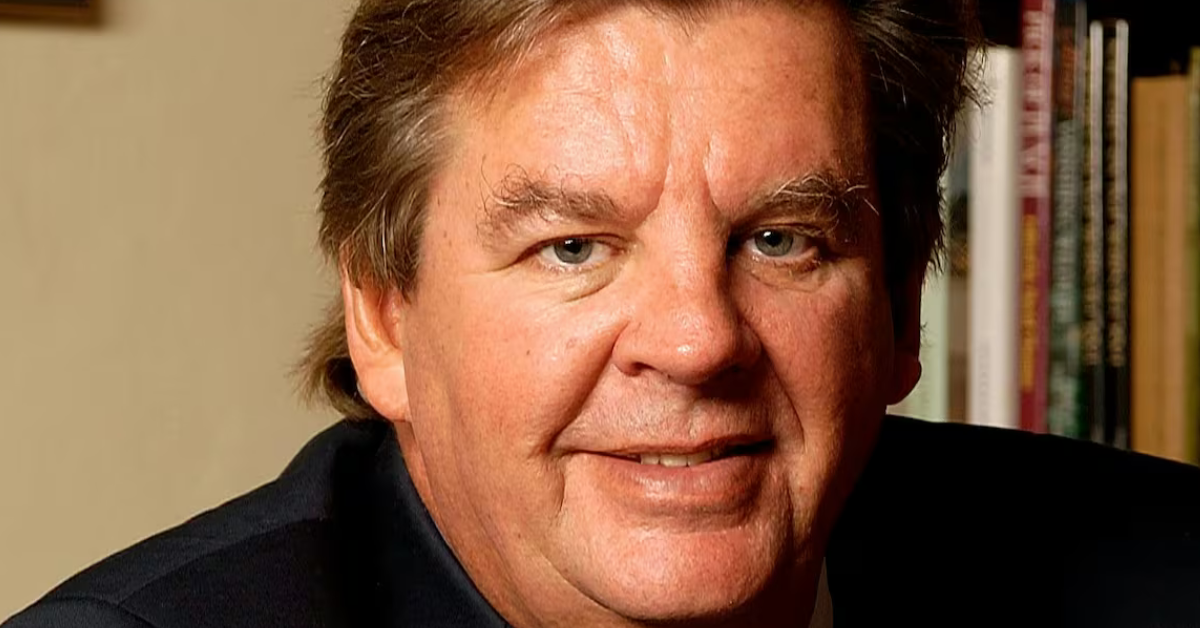
South African billionaire Johann Rupert has steered luxury giant Richemont through one of the toughest periods facing the global luxury industry, delivering impressive sales growth despite soaring gold prices, trade tensions, and weakening consumer confidence across several international markets.
The Cartier owner reported revenue of €22.4 billion for the financial year, marking an 11% increase at constant exchange rates. The strong performance surprised many industry analysts as luxury brands continue to battle rising production costs, global economic uncertainty, and shifting international trade policies.
Richemont’s biggest growth engine came from its jewellery division. Iconic luxury brands Cartier and Van Cleef & Arpels recorded a combined 14% jump in sales, fueled by resilient demand in the Americas and renewed momentum in China. Wealthy consumers continued spending heavily on premium jewellery and luxury watches even as inflation and geopolitical uncertainty pressured broader retail markets.
The strong appetite for high-end luxury products helped Richemont outperform several competitors in the global luxury goods industry. In addition, demand from affluent buyers in the United States remained steady despite concerns over slowing economic growth and market volatility.
However, the company still faced mounting financial pressure behind the scenes. Gold prices climbed to historic highs during the year, sharply increasing manufacturing expenses for jewellery and watchmakers worldwide. Since gold remains a core raw material for luxury accessories, Richemont absorbed significantly higher production costs across several product categories.
At the same time, unfavorable currency movements reduced the value of international earnings when converted into profits. Those exchange rate shifts added further pressure on operating margins as the company expanded across multiple regions.
Trade disputes involving the United States also created fresh operational challenges for the Swiss luxury group. Richemont revealed that heavy US import duties on Swiss goods generated nearly €300 million in additional costs. As a result, company executives began adjusting shipping routes, inventory planning, and tax strategies to reduce future financial exposure.
Johann Rupert confirmed the company is now reviewing possible tax refund opportunities after a recent US Supreme Court ruling opened the door for further legal evaluation. The billionaire businessman said Richemont continues monitoring global trade developments carefully as luxury brands adapt to changing international regulations.
Despite those headwinds, Richemont still increased total net profit by 27% to €3.5 billion. A major factor behind the profit surge came from the company’s decision to offload its struggling online retail platform Yoox Net-a-Porter to Mytheresa. By exiting the loss-making digital retail business, Richemont removed a major financial burden that had weighed heavily on previous earnings reports.
The latest results reinforce Richemont’s position as one of the world’s strongest luxury groups during a volatile economic period. Furthermore, the company’s ability to maintain demand for premium jewellery highlights the continued spending power of wealthy consumers despite inflation, trade uncertainty, and rising raw material prices.
Luxury industry analysts now expect global investors to closely watch how Richemont navigates future tariff risks, gold market volatility, and slowing consumer spending trends in key international regions. Nevertheless, the company’s latest financial performance signals that ultra-luxury brands continue attracting strong global demand even during periods of economic turbulence.




- Johann Rupert’s Richemont Defies Tariff Crisis and Soaring Gold Prices

- Dangote Refinery 1.4m BPD Expansion to Boost Nigeria’s Economy
- Drake Makes Billboard History With ICEMAN, HABIBTI & Maid of Honour Dominating Top 3 Spots

- Michael Movie Nears $800 Million Globally, Closing In on Record as Highest-Grossing Music Biopic Ever

- Aliko Dangote Reveals the 13-Year Battle Behind Africa’s Largest Refinery