Physical Address
304 North Cardinal St.
Dorchester Center, MA 02124
Physical Address
304 North Cardinal St.
Dorchester Center, MA 02124

Amplifying African Entrepreneurs voices, one story at a time
Amplifying African Entrepreneurs voices, one story at a time
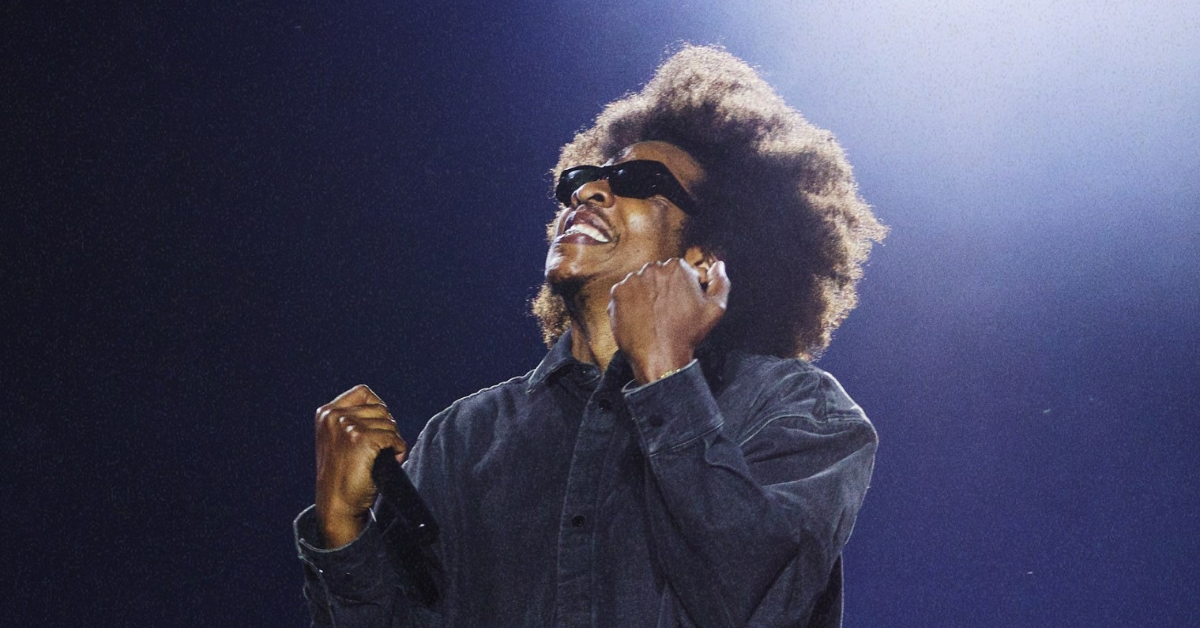
The 18th edition of the festival, created by The Roots, blended legacy, innovation, and star power in a way that immediately reset expectations for live music events in the United States.
This year, organizers moved the festival from its longtime home at the Mann Center after last year’s complaints about long lines, muddy grounds, and communication gaps. The decision paid off.
Entry flowed faster, navigation improved, and a new festival app powered real-time updates across schedules, maps, and logistics.
The experience felt more structured, but also bigger. More space meant more stages, more vendors, and more brand activations.
Attendees gained variety, though it came with longer walking distances across the expanded grounds. Still, the improvements were widely noticed.
Music remained the heartbeat of the weekend, and Jay-Z delivered the defining moment. He closed Day One with a commanding performance that mixed nostalgia, lyrical precision, and cultural authority. Backed by The Roots, he moved across eras of his catalog with ease, pulling from Reasonable Doubt, The Blueprint, The Black Album, Watch the Throne, and 4:44. The set felt less like a concert and more like a living archive of hip-hop history.
Surprise guests elevated the moment further. Jazmine Sullivan joined for “Feelin’ It,” while Bilal appeared on “No Church in the Wild.
” The most electric moment came when members of the State Property collective reunited on stage, including Beanie Sigel, Freeway, Memphis Bleek, Young Gunz, and Peedi Crakk. Meek Mill later joined for a hometown anthem that pushed the crowd into full celebration mode.
Across the weekend, the festival expanded beyond music. Food options stretched from Caribbean and Filipino cuisine to vegan and Southern soul food, reflecting Philadelphia’s cultural diversity.
VIP zones offered premium viewing, lounges, and curated experiences, while wellness stations provided essentials like earplugs and hydration support.
R&B carried strong emotional weight throughout the lineup. Brandy, Kehlani, Erykah Badu, Bilal, and Mariah the Scientist delivered standout sets that balanced nostalgia with modern soul.
DJs including Funk Flex, Miss Milan, and Diamond Kuts kept energy high between performances, ensuring no moment felt empty.
Hip-hop’s full timeline also unfolded on stage. De La Soul marked 35 years of De La Soul Is Dead with a celebratory set. T.I. revisited two decades of Southern rap dominance.
Jermaine Dupri brought out So So Def-era artists, while DJ Jazzy Jeff bridged generations with curated classics. The result was a living timeline of the genre’s evolution.
Several artists used the platform to mark career milestones. Jay-Z’s catalog milestones were echoed throughout the weekend, while Erykah Badu’s performance carried the weight of three decades in neo-soul. Bilal also celebrated 25 years since his debut, adding emotional depth to the lineup.
Despite a few technical hiccups, including minor sound issues during select sets, the energy never dropped.
Artists adapted in real time, and the crowd stayed locked in. The imperfections added a raw edge rather than diminishing the experience.
By the end of the weekend, Roots Picnic 2026 stood as more than a festival. It functioned as a cultural checkpoint for hip-hop, R&B, and live performance culture. With stronger infrastructure, deeper curation, and unforgettable headline moments, Philadelphia once again proved why it remains central to global Black music culture.