Physical Address
304 North Cardinal St.
Dorchester Center, MA 02124
Physical Address
304 North Cardinal St.
Dorchester Center, MA 02124

Amplifying African Entrepreneurs voices, one story at a time
Amplifying African Entrepreneurs voices, one story at a time
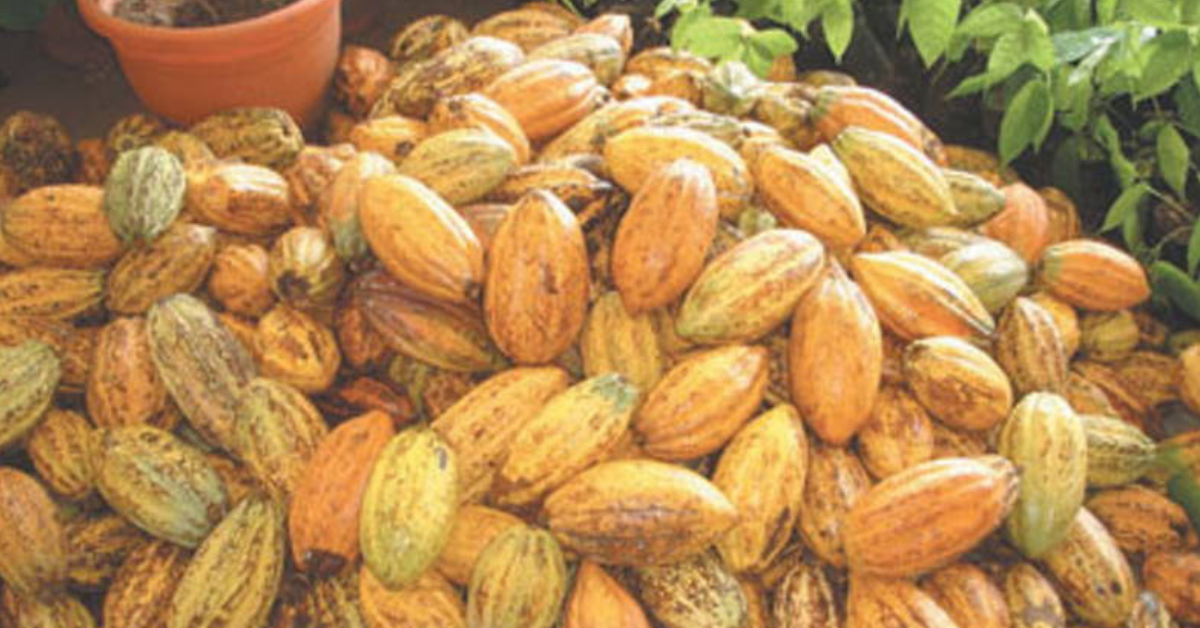
Cocoa prices could once again climb above $10,000 per tonne as multinational food and chocolate companies increasingly direct capital toward laboratory-grown cocoa technologies instead of strengthening support for African farmers who produce the majority of the world’s cocoa supply.
That warning comes from the Cocoa and Coffee Farmers Alliance Association of Africa (COCEFAAA), which says the industry risks repeating the severe supply crisis that pushed cocoa prices to historic highs in 2024.
According to the organization, years of underinvestment in smallholder farmers, ageing cocoa plantations, climate-related disruptions, and the spread of crop diseases continue to weaken production across Africa’s leading cocoa-producing regions. At the same time, global demand for cocoa and chocolate products remains resilient, creating conditions that could fuel another major rally in international cocoa markets.
Global President of COCEFAAA, Comrade Adeola Adegoke, criticized what he described as a growing trend among multinational food companies to invest in laboratory-grown cocoa rather than addressing long-standing challenges facing cocoa farmers in countries such as Nigeria, Ghana, Cameroon, and Côte d’Ivoire.
He argued that the industry’s investment priorities reveal a troubling shift away from farmer-centered sustainability efforts. According to Adegoke, companies that claim limited resources for farmer welfare initiatives are now finding significant funding for technologies designed to produce cocoa in laboratory environments.
He maintained that sustainable cocoa production requires stronger commitments to farmer livelihoods, disease-resistant seedling distribution, farm rehabilitation programs, and living-income initiatives. Without those investments, he warned, supply shortages will continue to intensify.
The concerns emerge after one of the most volatile periods in cocoa market history. West Africa’s major cocoa-producing nations reportedly lost close to 40 percent of their harvests during the 2023 and 2024 production seasons. Global cocoa production also declined significantly during the 2023/24 season, sending prices to a record high of $11,530 per tonne in June 2024.
Although improved output later helped prices retreat to around $4,000 per tonne, industry observers remain cautious about the outlook for the 2025/26 season. Weather-related disruptions, persistent disease outbreaks, and insufficient investment across farming communities continue to threaten production levels.
Industry stakeholders also face mounting pressure from increasingly strict international sustainability standards. Farmers across Africa must now comply with enhanced traceability, deforestation monitoring, and environmental reporting requirements. However, many producers argue that they receive limited financial assistance and technical support to meet these obligations.
As the debate over the future of cocoa production intensifies, COCEFAAA is positioning the upcoming African Cocoa and Coffee Fiesta as a platform for shaping industry discussions. The event will take place on October 7 and 8, 2026, at NECA House in Ikeja, Lagos, under the theme, “Building a Sustainable Value Chain for Cocoa and Coffee across West, Central and East Africa.”
Adegoke emphasized that African farmers are not opposed to innovation or technological advancement. Instead, he stressed the need for innovation that complements farmer development rather than replacing it.
For many industry participants, the growing tension between technological innovation and agricultural sustainability may define the future of the global cocoa market. If investment continues to bypass farmers while production challenges persist, analysts believe another supply crunch could emerge, pushing cocoa prices sharply higher and reshaping the economics of the global chocolate industry once again.
As global demand for cocoa products continues to rise, the future stability of the market may ultimately depend on whether governments, investors, development partners, and multinational companies choose to invest in the farmers who remain at the heart of the world’s cocoa supply chain.