Physical Address
304 North Cardinal St.
Dorchester Center, MA 02124
Physical Address
304 North Cardinal St.
Dorchester Center, MA 02124

Amplifying African Entrepreneurs voices, one story at a time
Amplifying African Entrepreneurs voices, one story at a time
Ghana has begun repatriating its citizens from South Africa after rising anti-immigrant protests created fear and uncertainty for foreign nationals living across the country.
Early Wednesday morning, the first group of Ghanaians arrived at Johannesburg’s OR Tambo International Airport to board evacuation flights arranged by Ghanaian authorities.
The BBC witnessed dozens of buses chartered by the Ghanaian embassy transporting passengers to the airport around 03:00 local time.
Men, women, and children waited alongside airport officials as authorities processed travel documents and completed registration checks before departure.
Meanwhile, police officers monitored a smaller group of passengers who arrived separately in a police van.
Ghanaian officials confirmed that nearly 800 citizens registered for evacuation following weeks of growing anxiety among migrant communities.
Authorities said the first batch of approximately 300 passengers departed on Wednesday, while additional groups will leave after completing screening procedures.
The emergency repatriation follows escalating demonstrations against illegal immigration in several South African cities.
Protesters claim undocumented migrants place pressure on jobs, housing, healthcare, and other public services.
As a result, tensions have intensified in communities already facing economic hardship and unemployment.
The demonstrations, organised by a movement known as March and March, have spread from Durban into other provinces in recent weeks.
Organisers insist their protests remain peaceful. However, many foreign nationals fear the situation could quickly spiral into violence, especially ahead of South Africa’s local government elections scheduled for November.
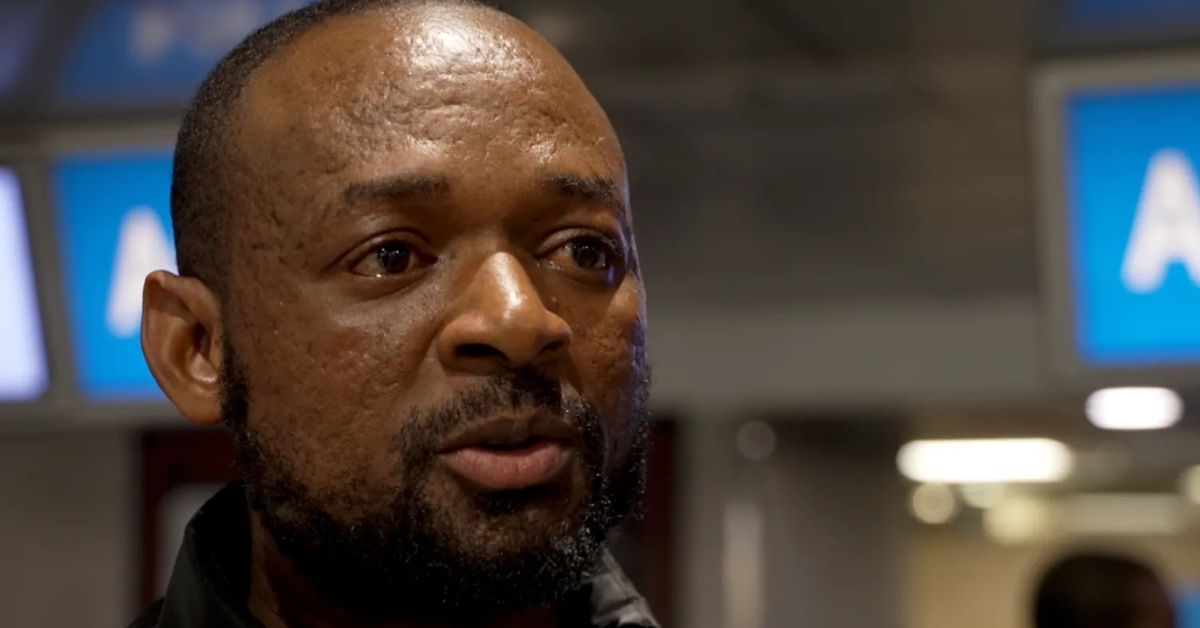
One Ghanaian migrant named Rudolph, who has operated a salon in South Africa for a decade, told the BBC he no longer feels safe staying in the country.
According to him, the atmosphere changed dramatically after the protests gained momentum.
“It’s not comfortable for us to stay here anymore, so we have to go. I think we will find peace at home,” he said.
Rudolph also expressed concern over the movement’s 30 June deadline demanding undocumented immigrants leave the country.
He believes the ultimatum could trigger attacks against foreigners if tensions continue to rise.
“The protests started in Durban, and they’ve escalated to other provinces. So definitely something bad could happen,” he added.
Ghana’s High Commissioner to South Africa, Benjamin Quashie, defended the government’s decision to evacuate citizens, saying officials acted after receiving distress calls from Ghanaians who feared for their safety and livelihoods.
“The Ghanaian government listened to the plight of its citizens in South Africa, who felt their lives were in danger and their businesses had come to a standstill,” he explained.
“Every government has the responsibility to protect its citizens both at home and abroad.”
Quashie also revealed that Ghana has introduced reintegration plans for returning migrants. The programme aims to help evacuees rebuild businesses and restart their lives after returning home.
According to Ghanaian officials, the initiative could also reduce undocumented migration into South Africa.
Authorities stressed that Ghana does not support illegal migration and wants returning citizens to pursue opportunities legally.
South Africa remains home to an estimated 25,000 Ghanaians, many of whom work in small businesses, retail, hospitality, and personal services. However, anti-immigrant tensions have repeatedly erupted in the country over the past two decades.
In 2019, at least 12 people died during xenophobic attacks targeting foreign nationals.
Earlier violence in 2008 left more than 60 people dead in one of the country’s worst outbreaks of anti-foreigner violence.
Although the latest demonstrations have largely remained peaceful, concerns continue to grow among migrant communities.
Earlier this month, the South African government condemned criminal acts targeting foreigners while acknowledging the country must address illegal immigration more effectively.
Political analysts now believe immigration could become a major issue ahead of the November local elections, especially as economic frustrations continue to fuel public anger across several communities.
The unfolding crisis has once again placed migration, border control, and African unity at the centre of political debate across the continent.
As evacuation flights continue, many African migrants living in South Africa now face difficult choices about safety, opportunity, and their future.