Physical Address
304 North Cardinal St.
Dorchester Center, MA 02124
Physical Address
304 North Cardinal St.
Dorchester Center, MA 02124

Amplifying African Entrepreneurs voices, one story at a time
Amplifying African Entrepreneurs voices, one story at a time
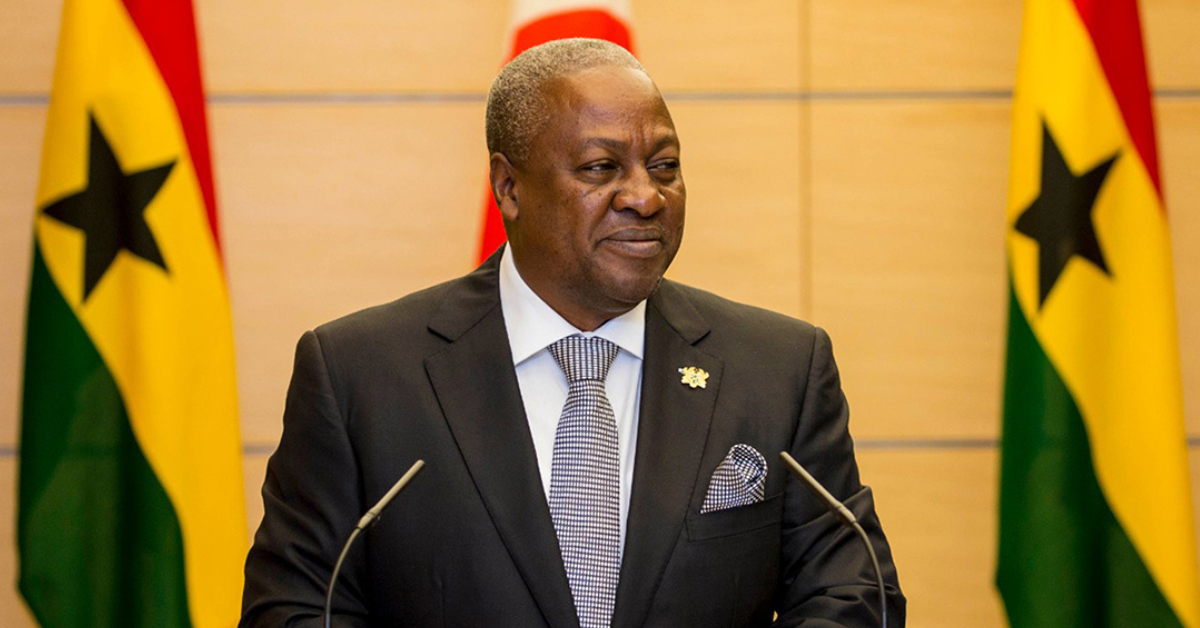
Ghana has taken a decisive step to reshape its gold industry as it moves to stop the export of raw bullion and retain more value within its economy.
The government signed a new refining agreement with Royal Ghana Gold Refinery, a move officials say will change how the country benefits from its mineral wealth.
For decades, Ghana exported most of its gold in raw form. As a result, foreign refineries captured much of the profit in markets such as Switzerland, the United Arab Emirates, and India.
Now, officials say that model has drained jobs, skills, and revenue from the country.
The Ghana Gold Board confirmed the deal on Monday, May 25, 2026. The agreement forms part of a wider national strategy to turn Ghana into a value-added processing hub in West Africa.
The government believes this shift will strengthen the country’s position in global bullion markets while increasing domestic earnings.
Sammy Gyamfi, Chief Executive Officer of the Ghana Gold Board, said the reform marks a major correction in policy direction.
He noted that Ghana had no active local refinery for export-grade gold when the current administration took office in January 2025.
He stressed that this situation must change if the country wants long-term economic gains.
Under the agreement, Royal Ghana Gold Refinery will refine up to one metric ton of gold each week, depending on capacity.
The focus will largely remain on small-scale mining output, which contributes a significant share of Ghana’s gold production.
In addition, the Gold Board said it currently purchases an average of 2.5 metric tons weekly with support from the Bank of Ghana.
The government is also negotiating with large mining companies to secure up to 30% of their output for local refining.
Officials say this approach will increase domestic value retention and reduce dependence on raw exports.
Gyamfi explained that refining gold locally will keep fees within Ghana’s economy.
He added that the policy will also create skilled jobs and support industrial growth. “What this means is that refining fees that used to leave Ghana will now remain in the economy,” he said. “Jobs will be created here, and technical expertise will grow here.”
Meanwhile, the government is pushing for London Bullion Market Association accreditation for local refineries.
This certification would improve global confidence in Ghana’s refined gold and strengthen its access to international markets.
Dr Johnson Asiama, Governor of the Bank of Ghana, described the initiative as long overdue.
He argued that Ghana, and Africa more broadly, must process more of its natural resources locally to unlock full economic transformation.
He also pointed to cocoa and oil as sectors with similar potential.
Eric Frimpong, Managing Director of Royal Ghana Gold Refinery, said operations are ready to begin immediately.
He added that the first refined bullion bars are expected soon after deliveries arrive next week.
He emphasized that Ghana must now take ownership of its resources and shift from exporting raw materials.
Across Africa, resource-rich economies are increasingly pushing for local processing instead of raw commodity exports.
Ghana’s latest move aligns with this broader continental shift toward value addition and industrial growth.