Physical Address
304 North Cardinal St.
Dorchester Center, MA 02124
Physical Address
304 North Cardinal St.
Dorchester Center, MA 02124

Amplifying African Entrepreneurs voices, one story at a time
Amplifying African Entrepreneurs voices, one story at a time
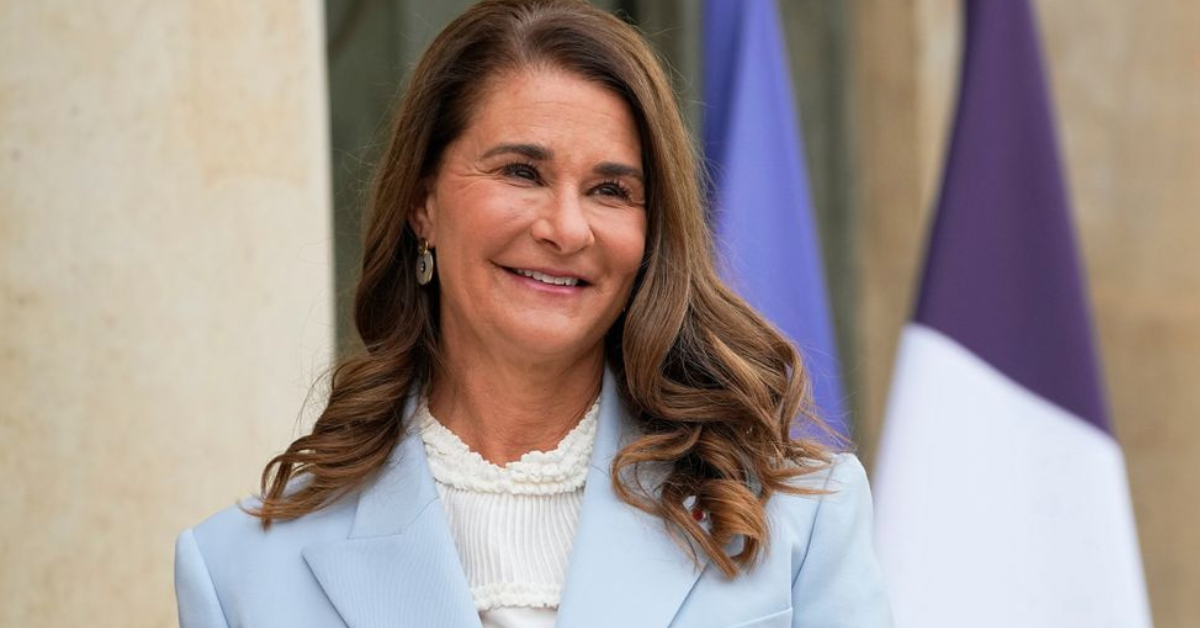
Melinda French Gates is making one of the largest private commitments to women’s health in recent years, pledging an additional $215 million through her organization, Pivotal, to address long-standing gaps in reproductive health, maternal care, menopause research, and healthcare access.
The new funding pushes French Gates’ total investment in women’s health beyond $600 million over the past two years, reinforcing her belief that improving women’s health is one of the most powerful ways to strengthen families, communities, and economies.
The announcement marks another major step in French Gates’ philanthropic strategy since leaving the Gates Foundation in 2024.
After spending two decades helping build one of the world’s most influential charitable organizations, she has shifted her focus toward advancing opportunities for women and families through Pivotal, the organization she founded in 2015.
For French Gates, the issue is straightforward. Women cannot fully participate in society, lead businesses, raise families, pursue careers, or contribute to economic growth if their health needs remain overlooked.
“Women’s health is fundamental,” French Gates said. “She has to be well to do well in life.”
Her latest funding package targets several areas where experts say women have historically been underserved. These include access to contraceptives, maternal healthcare, mental health support, menopause treatment, and research into chronic illnesses that disproportionately affect women.
A significant portion of the investment will support efforts to improve maternal and primary healthcare services. Among the largest grants is a $40 million commitment to Co-Impact, which will integrate mental health services into maternal and primary healthcare systems, particularly in Africa.
The funding arrives as global health experts continue to warn about persistent inequalities in healthcare access for women.
According to data highlighted by the World Economic Forum, women account for roughly half of the world’s population, yet health conditions that specifically affect women receive only about 2% of private healthcare research and investment funding.
That imbalance has contributed to years of underinvestment in treatments, medical research, and healthcare innovations designed specifically for women.
French Gates is also directing attention toward menopause and perimenopause, areas that many healthcare professionals argue have been neglected for decades despite affecting millions of women worldwide.
One of the grants includes $10 million for The Menopause Society, which plans to expand education and training programs for healthcare providers across the United States.
The goal is to improve access to accurate information and ensure more clinicians can provide evidence-based menopause care.
Dr. Stephanie Faubion, medical director of The Menopause Society and director of the Mayo Clinic’s Center for Women’s Health, said access remains a major challenge.
Thousands of counties across the United States have limited access to menopause-trained healthcare professionals, leaving many women without adequate support during a critical stage of life.
Experts say increased awareness is just as important as funding. Research into menopause treatments has historically received limited attention, slowing the development of new therapies and leaving many women without effective options beyond existing hormone treatments.
French Gates believes philanthropy can help spotlight these overlooked issues, although she cautions that charitable giving cannot replace government investment in healthcare and scientific research.
She expressed concern about reductions in biomedical research funding and emphasized that public institutions remain essential drivers of medical innovation.
“Philanthropy can never fill the gaps that government leaves behind,” she said, noting that public research institutions have played a central role in many of the medical breakthroughs that improve lives around the world.
The philanthropist also pointed to maternal healthcare as an area where better implementation of existing knowledge could save lives.
While medical science understands many of the solutions needed to improve pregnancy outcomes, she argues healthcare systems often fail to deliver those services effectively, particularly for vulnerable populations.
Looking ahead, French Gates hopes her investments will help reduce maternal deaths, expand reproductive healthcare options, improve menopause care, and accelerate research into chronic illnesses affecting women.
Beyond the dollars involved, she says the broader goal is changing how society views women’s health.
For too long, many women’s health issues have remained invisible, underfunded, or misunderstood. French Gates wants that to change.
“I don’t want the default to be that women are expected to deal with pain and suffering,” she said. “I want them to be seen for what they’re going through and have those issues addressed so they can live their very best lives.”
As governments, healthcare providers, researchers, and philanthropists search for ways to improve global health outcomes, French Gates’ latest commitment sends a clear message: investing in women’s health is not only a healthcare priority but an economic and social imperative.
For millions of women worldwide, that message could translate into better care, stronger support systems, and greater opportunities to thrive.