Physical Address
304 North Cardinal St.
Dorchester Center, MA 02124
Physical Address
304 North Cardinal St.
Dorchester Center, MA 02124

Amplifying African Entrepreneurs voices, one story at a time
Amplifying African Entrepreneurs voices, one story at a time
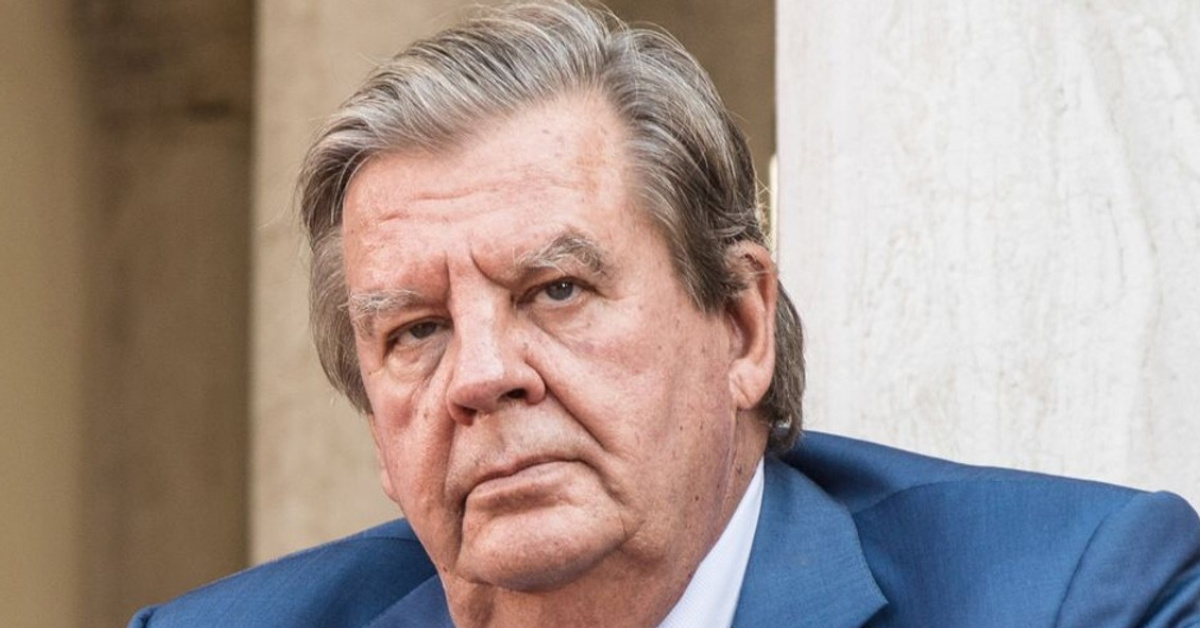
South African billionaire Johann Rupert has paused plans for a major acquisition through his investment company Reinet, choosing instead to restart a €500 million share buyback programme while sitting on one of the largest cash reserves among listed investment firms.
The decision comes after months of evaluating a potential investment that Reinet ultimately decided not to pursue. By ending the review process, the Luxembourg listed investment company has also lifted the temporary restriction that prevented it from repurchasing its own shares.
The move has drawn attention from investors across global markets as Reinet now controls approximately €5.5 billion ($6.4 billion) in cash and liquid assets, placing it among the most cash rich listed investment companies in Europe.
Reinet’s financial transformation follows the sale of its two largest long term investments. The company exited its stake in British American Tobacco and also sold its 49.5 percent holding in Pension Insurance Corporation to Athora UK Holding earlier this year.
The Pension Insurance Corporation transaction generated nearly €3.94 billion, including dividends, from an investment first made in 2012. The earlier disposal of British American Tobacco also marked the end of the Rupert family’s decades long relationship with the global tobacco industry.
Originally established in 2008 following the restructuring of luxury goods giant Richemont, Reinet was created to hold the Rupert family’s investment in British American Tobacco. Over the years, it evolved into a diversified investment company with interests across multiple sectors.
Instead of deploying its cash into another large acquisition, Reinet has chosen to return capital to shareholders through an expanded share repurchase programme.
The buyback initiative, announced in June, authorises the company to repurchase up to 16.5 million shares with a maximum value of €500 million before its 2027 annual general meeting. The first phase allows purchases of up to €75 million, and the company has already resumed buying shares on the Johannesburg Stock Exchange.
Share buybacks are often viewed as a signal that management believes the company’s shares are trading below their intrinsic value. They also provide a way to return value to shareholders when suitable investment opportunities remain limited.
Reinet’s latest financial results showed a net asset value of approximately €6.6 billion ($7.7 billion) at the end of June, with net asset value per share recording a modest increase during the quarter.
The company said positive performance from investments including TruArc Partners, Coatue funds and Prescient China funds helped offset the impact of currency fluctuations.
Despite the renewed buyback programme, the market’s attention remains firmly on Rupert’s next strategic move.
With billions of euros still available for deployment, investors are watching to see whether Reinet will pursue another transformative acquisition, increase shareholder returns through a special dividend, or consider a broader restructuring if attractive investment opportunities fail to emerge.
For now, the company says geopolitical uncertainty, inflation and global economic risks continue to influence its investment decisions, although it maintains no direct exposure to conflict affected regions including Russia, Ukraine and the Middle East through its underlying portfolio.
As one of Africa’s most influential business leaders, Johann Rupert’s capital allocation decisions continue to attract close attention from investors seeking clues about where significant long term investment opportunities may emerge next.