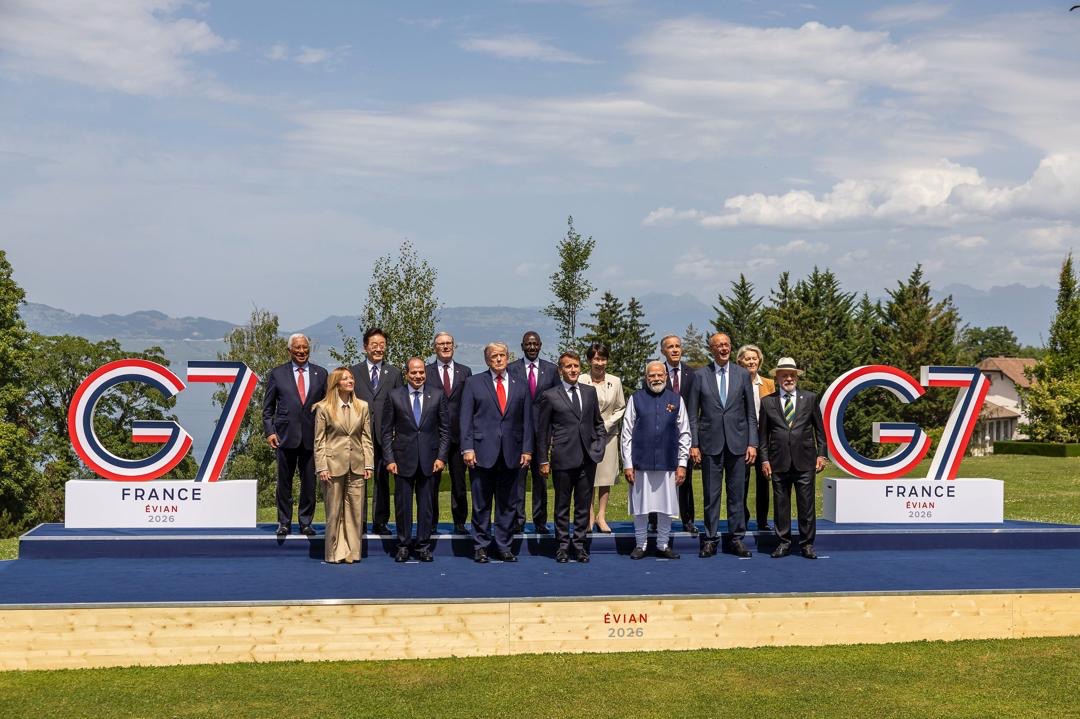
William Ruto’s appearance at the G7 Summit in Évian-les-Bains, France, may prove to be one of the most consequential moments for Africa’s voice on the global stage this year.
Standing before some of the world’s most influential leaders during the G7+ Working Session on “Fostering New Partnerships and Rebuilding International Solidarity,” Kenya’s president delivered a message that challenged decades of conventional thinking about Africa’s place in the global economy.
For years, international discussions often framed Africa through the lens of poverty, debt, aid, and vulnerability. Ruto sought to overturn that narrative. Instead, he presented Africa as a continent of opportunity, investment, innovation, and solutions.
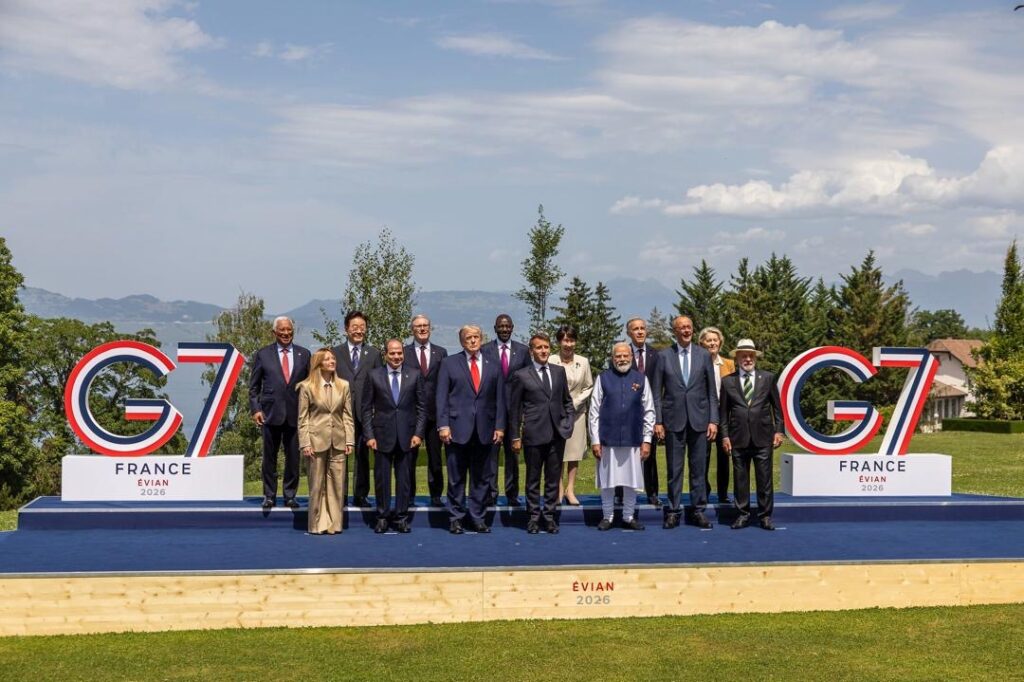
Speaking on behalf of the continent, the Kenyan leader declared that Africa no longer seeks dependency or geopolitical alignment. Rather, it seeks genuine partnerships built on sovereign equality, shared prosperity, and mutual benefit.
His remarks reflected a broader shift in African diplomacy. Across the continent, governments increasingly advocate for investment-led growth instead of aid-driven development. Consequently, Ruto argued that Africa’s future should no longer be decided in rooms where African voices remain absent.
“The era in which Africa’s wealth is extracted while its value is created elsewhere is over,” he told delegates, adding that the continent remains open for investment that creates shared prosperity and long-term economic value.
A central theme of his intervention focused on access to finance. Although multilateral development institutions remain important partners, Ruto stressed that available capital falls far short of Africa’s development ambitions.
At the same time, African countries continue to face significantly higher borrowing costs than many economies with similar financial fundamentals. According to Ruto, outdated perceptions of risk continue to inflate financing costs and prevent transformative projects from moving forward.
Nevertheless, he emphasized that Africa is not waiting for external solutions.
The continent is increasingly building its own financial architecture. Ruto noted that African banks, pension funds, insurers, and reserves collectively hold more than $4 trillion in assets. The challenge, he argued, is not the absence of capital but the absence of mechanisms capable of channeling those resources into large-scale development projects.
He also highlighted Kenya’s own efforts to mobilize domestic resources. The government has raised nearly $9 billion for affordable housing initiatives and approximately $1.5 billion for universal healthcare programs, demonstrating that African nations are prepared to invest in their own priorities.
As a result, Ruto called on G7 nations to support African institutions through guarantees and risk-sharing instruments capable of unlocking significantly larger volumes of investment capital. He specifically pointed to institutions such as the African Trade and Investment Development Insurance as vehicles that could effectively deploy such support.
His most memorable message resonated far beyond the summit hall.
“Africa is not a problem to be solved. Africa is the greater part of the solution. Africa is not a burden to be carried. Africa is an opportunity to be seized.”
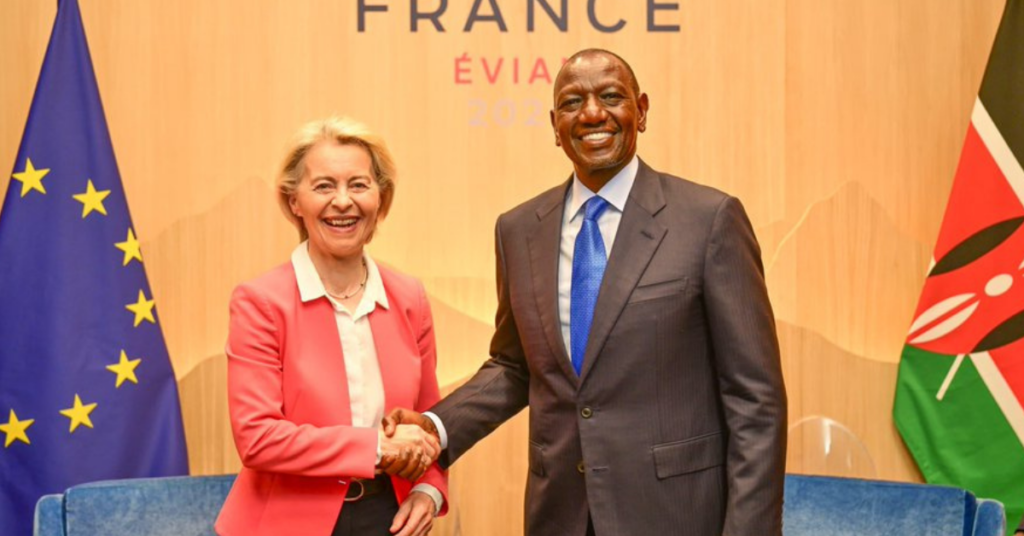
Beyond his keynote intervention, Ruto engaged in a series of high-level diplomatic meetings that reinforced Kenya’s growing international influence.
During talks with Ukrainian President Volodymyr Zelensky, both leaders explored opportunities to deepen cooperation in trade, agriculture, and food security. They also agreed to accelerate plans for establishing a grain hub at the Port of Mombasa, a project expected to strengthen food security across East Africa and improve supply chain resilience.
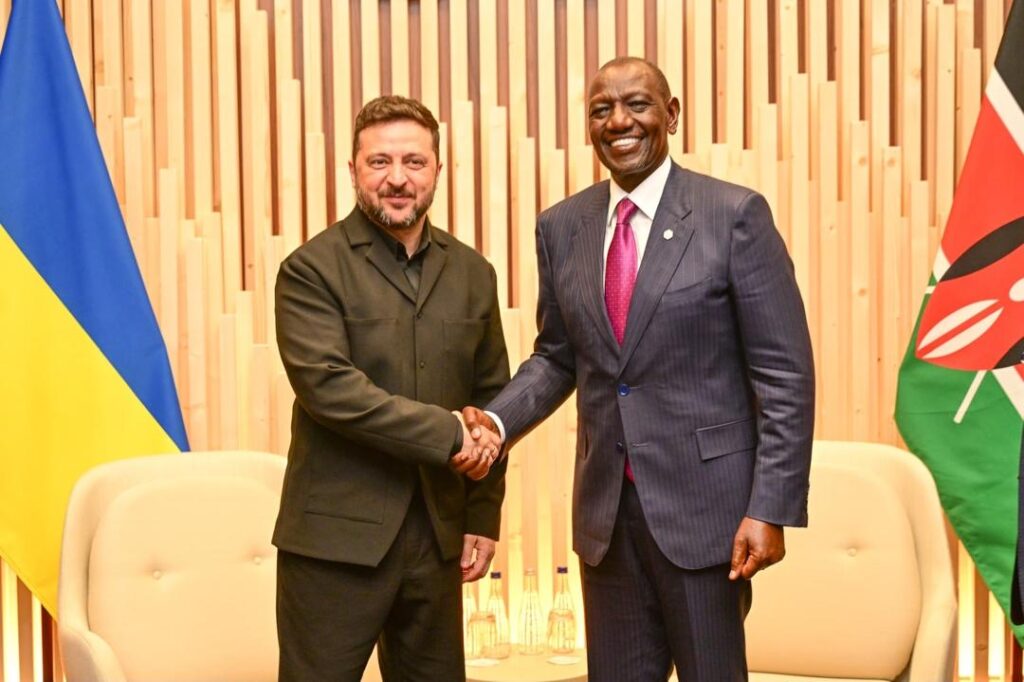
The Kenyan president also reaffirmed support for a peaceful resolution to the Russia-Ukraine conflict through dialogue, diplomacy, respect for international law, and adherence to the principles of the United Nations Charter.
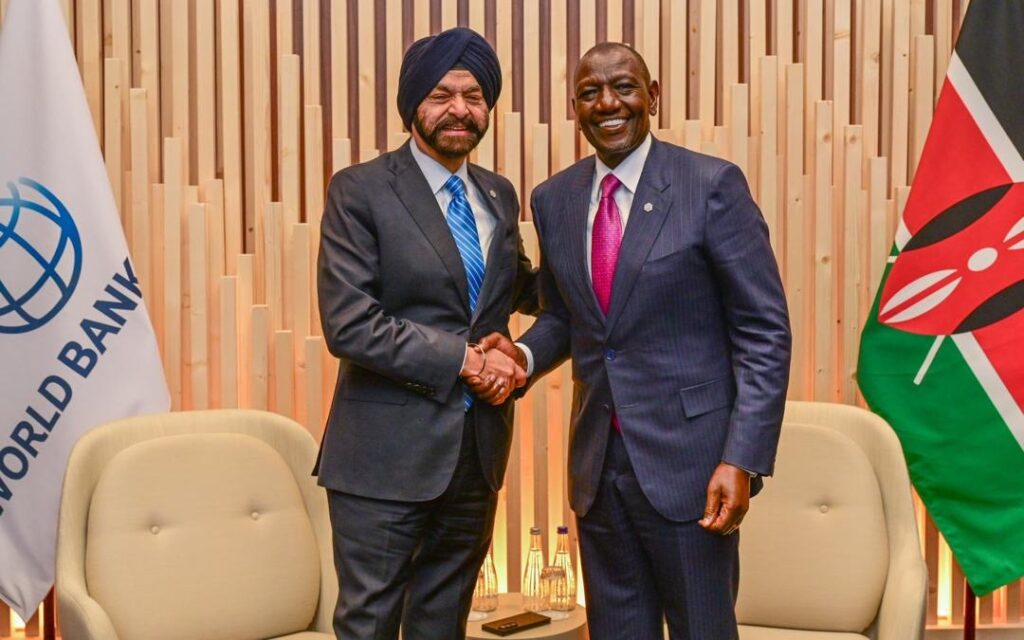
His discussions with World Bank Group President Ajay Banga focused on advancing Kenya’s development priorities and attracting greater investment for sustainable economic growth. Ruto welcomed the institution’s support for reforms aimed at improving access to capital and modernizing the international financial architecture to better reflect the realities of developing economies.
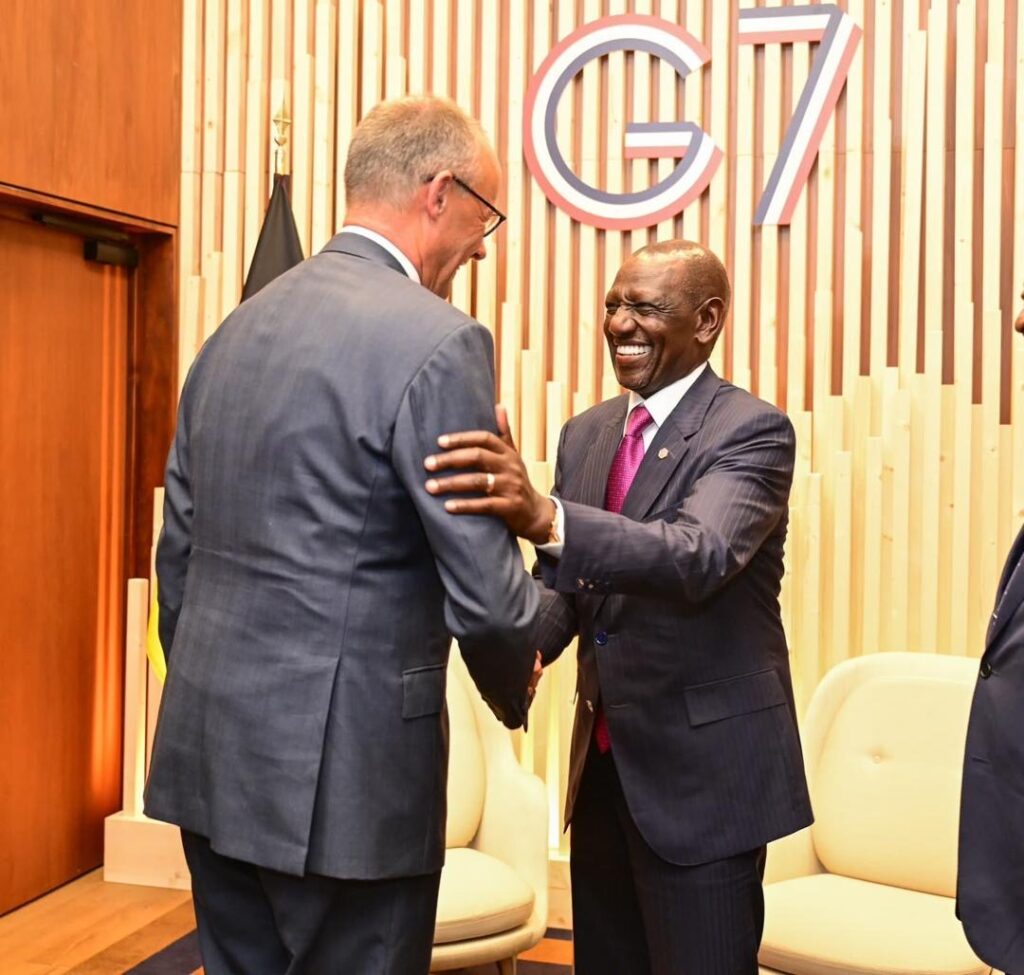
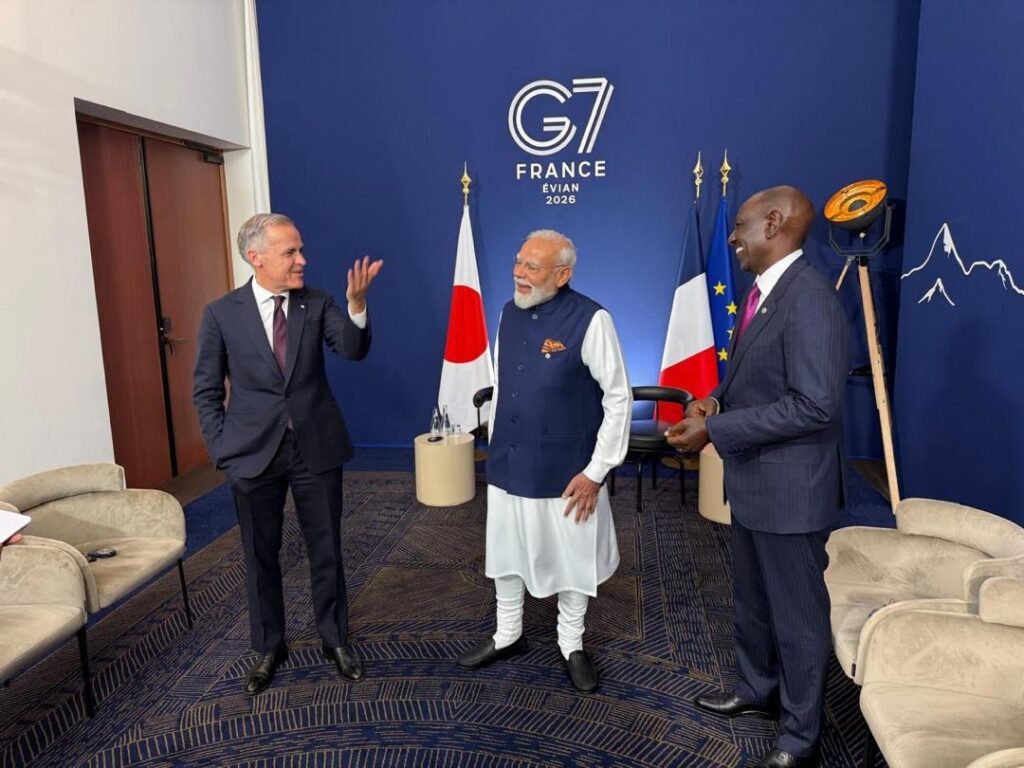
Meanwhile, meetings with German Chancellor Friedrich Merz and Indian Prime Minister Narendra Modi highlighted Kenya’s expanding global partnerships.
Kenya and Germany pledged to deepen collaboration across renewable energy, trade, agriculture, digital transformation, and support for micro, small, and medium-sized enterprises. Their ongoing labour agreement continues to create employment opportunities for Kenyan professionals abroad.
President Ruto’s engagement with Modi underscored the strategic importance of Kenya-India relations. Both leaders reaffirmed their commitment to strengthening bilateral ties and working together in multilateral institutions to advance the interests of the Global South through inclusive growth and sustainable development.
The summit also offered moments of cultural diplomacy. At La Source Vive Theatre, international artists and a children’s choir delivered a moving performance for heads of delegation and their spouses. The evening served as a reminder that culture remains a powerful bridge between nations, even during periods of geopolitical uncertainty.
As discussions at the G7 touched on debt vulnerabilities, Middle East stability, trade corridors, and global economic resilience, Africa’s message remained impossible to ignore.
His message was clear. Africa does not seek charity. Africa seeks opportunity. Africa seeks investment. Africa seeks partnership. And increasingly, the world is listening.
For global investors, policymakers, and business leaders, the significance of that message extends well beyond the shores of Lake Geneva. It signals a continent determined to define its own future and ready to play a central role in the next chapter of global growth.


- Shipping to Europe Easier Than Trading Across Africa–President John Mahama
- How Rwanda Built One of the Most Powerful Football Marketing Strategies in the World
- Tanzania Targets Mohammed Dewji’s Idle Tea Estates in Major Agriculture Shake-Up
- Why 90% of Nigerian Agritech Startups Fail Despite Millions in Funding
- Ghana Deploys Mobile Cold Storage Trailer to Cut Post-Harvest Losses and Boost Farmer Income