Physical Address
304 North Cardinal St.
Dorchester Center, MA 02124
Physical Address
304 North Cardinal St.
Dorchester Center, MA 02124

Amplifying African Entrepreneurs voices, one story at a time
Amplifying African Entrepreneurs voices, one story at a time
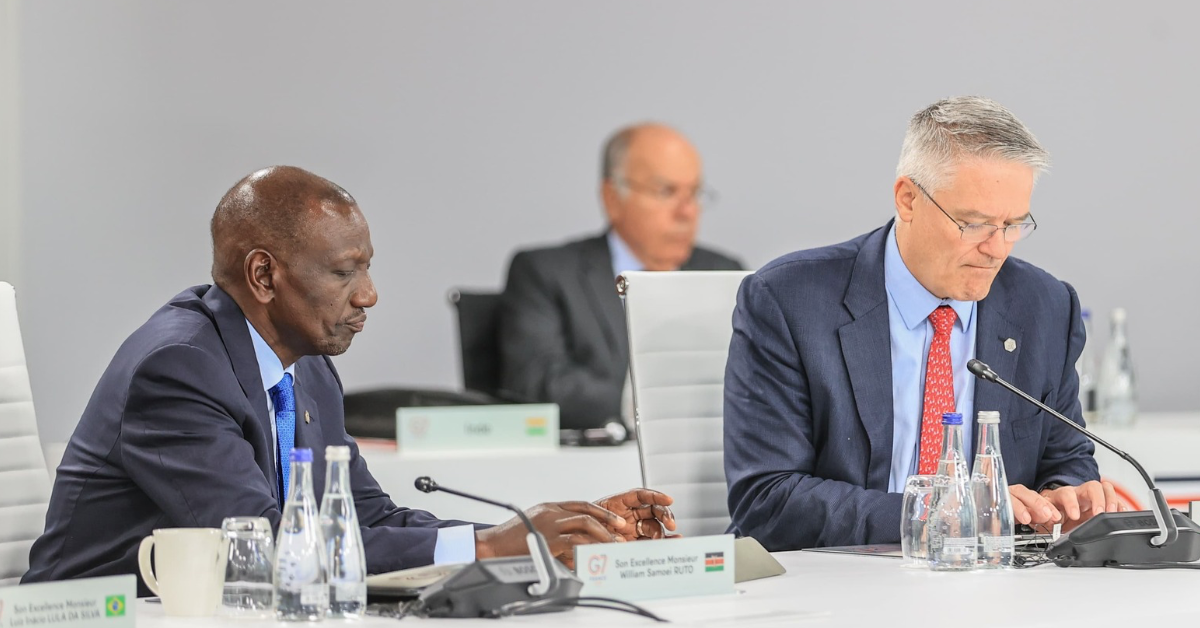
Africa is no longer asking the world for a seat at the table. Instead, it is making a compelling case that the future of global economic growth may depend on what happens across the continent in the coming decades.
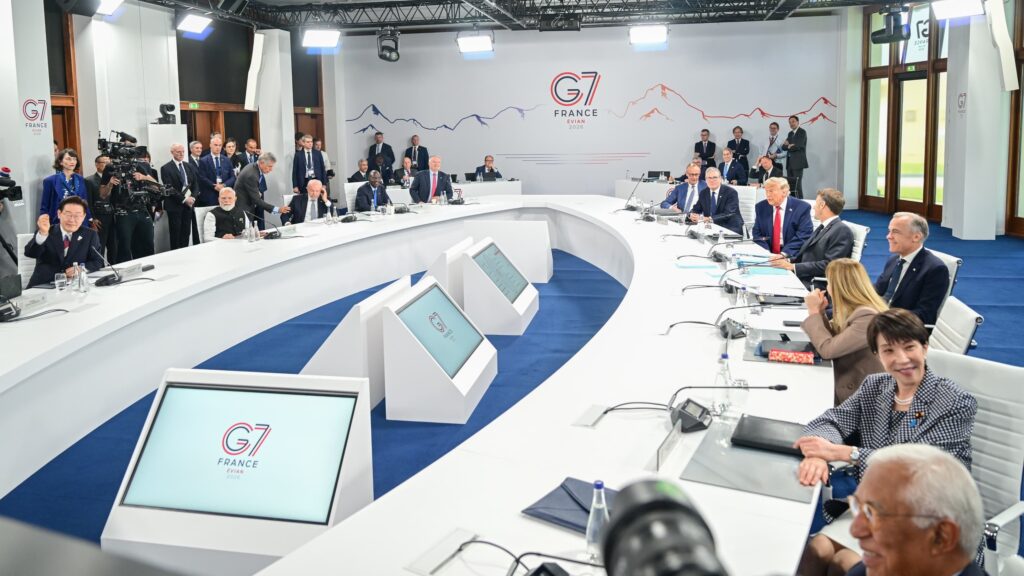
That was the central message delivered by Kenyan President William Ruto during the G7+ Working Session on “Reviving Balanced and Shared Growth for All” in Évian, France, where world leaders gathered to discuss pathways for sustainable global prosperity.
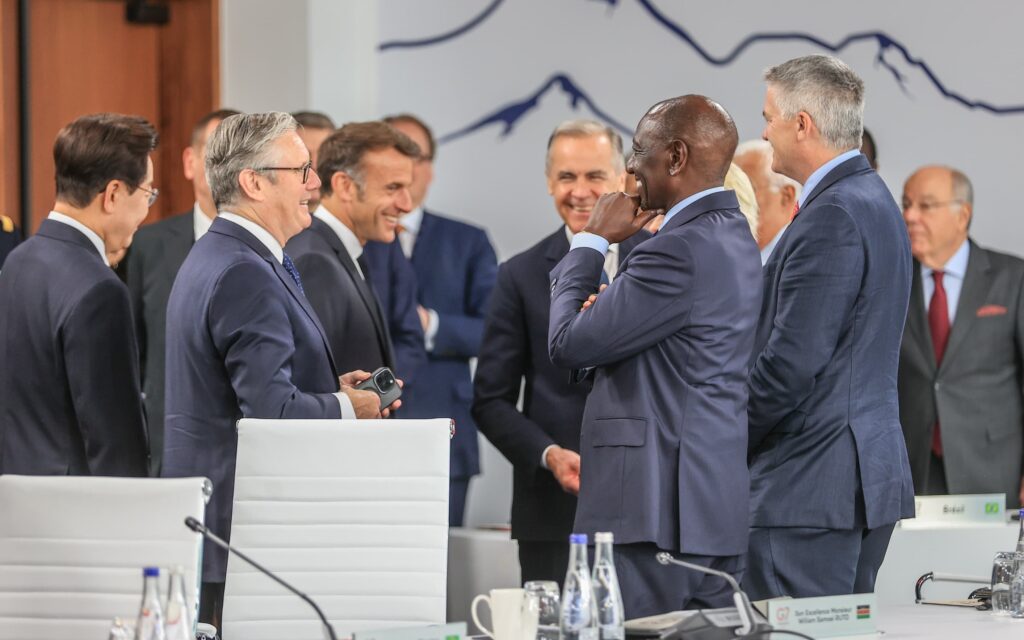
Addressing heads of state, government leaders, and international stakeholders, Ruto argued that Africa stands at the center of the next chapter of global economic expansion. He urged the G7 nations and the broader international community to rethink their engagement with Africa and embrace partnerships that create value within the continent rather than continuing a long-standing model built around the export of raw materials.
According to Ruto, Africa’s economic fundamentals make it impossible to ignore. Six of the world’s fastest-growing economies are located on the continent. Furthermore, demographic projections indicate that one in four people globally will be African within the next quarter century.
He noted that by 2050, Africa will account for nearly 40 percent of the world’s workforce while serving a consumer market expected to exceed 2.4 billion people. As a result, Africa’s growth trajectory presents one of the greatest opportunities for expanding global prosperity.
Ruto emphasized that the conversation about Africa should move beyond aid and resource extraction. Instead, he called for investments that support industrialization, innovation, manufacturing, and job creation across African nations.
The Kenyan leader highlighted the continent’s strategic importance in supplying critical minerals needed for electric vehicles, clean energy technologies, digital infrastructure, artificial intelligence, and advanced manufacturing. However, he argued that Africa should no longer remain merely a source of raw materials for industries located elsewhere.
For decades, many African countries exported unprocessed resources while most of the value creation, industrial production, and employment opportunities occurred outside the continent. Ruto said that model has reached its limits.
“Africa is not seeking relationships that are extractive,” he told leaders gathered at the summit. Instead, he called for partnerships based on sovereign equality, mutual respect, and shared prosperity.
His message focused on a vision where Africa processes its minerals locally, builds manufacturing industries, develops regional value chains, and creates millions of jobs for its rapidly growing young population.
Such an approach, he argued, would benefit not only African economies but also global markets. Stronger African industries would help create more resilient supply chains, unlock new investment opportunities, expand consumer markets, and contribute to long-term economic stability worldwide.
The remarks come as competition for critical minerals intensifies globally and governments seek reliable partners to support energy transition goals and emerging technologies. Africa’s reserves of strategic resources increasingly place the continent at the center of these conversations.
Beyond resources, Ruto stressed that Africa’s demographic advantage represents one of its greatest strengths. With a youthful population and expanding workforce, the continent could become a major driver of innovation, production, and consumption over the coming decades.
His address reflected a broader shift among African leaders who increasingly advocate for economic partnerships that prioritize local value addition, technology transfer, industrial development, and sustainable growth.
As global leaders search for new engines of economic expansion amid changing geopolitical and economic realities, Ruto’s message was clear: Africa should not be viewed as a peripheral player in the world economy. Instead, the continent must be recognized as a central pillar of future global prosperity.
The challenge now lies in whether international partners will embrace that vision and help build an economic model that allows Africa to capture more value from its resources, talent, and growing markets. If that happens, the benefits could extend far beyond the continent, reshaping global growth for generations to come.